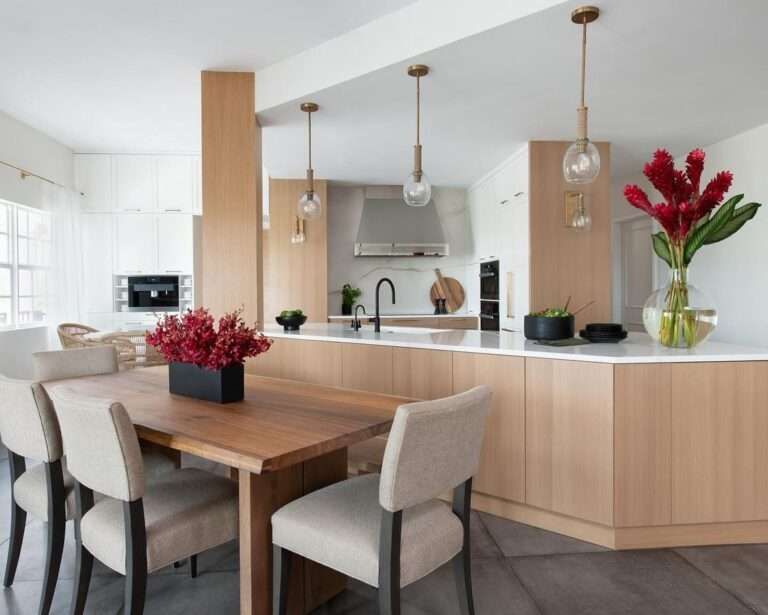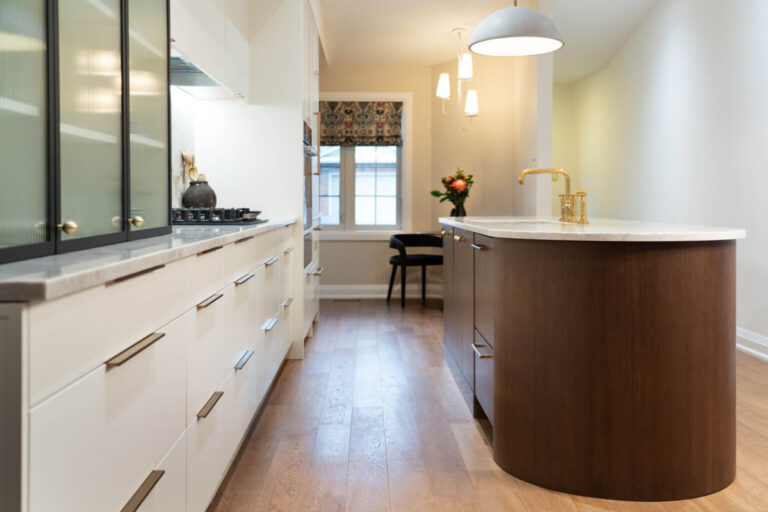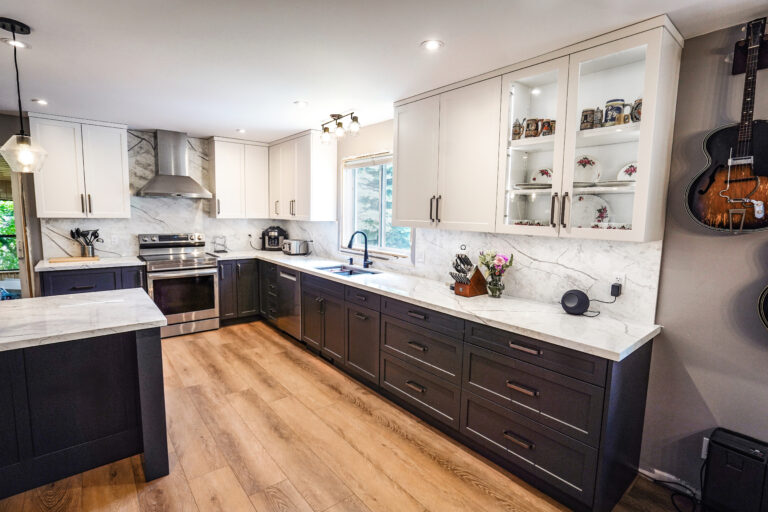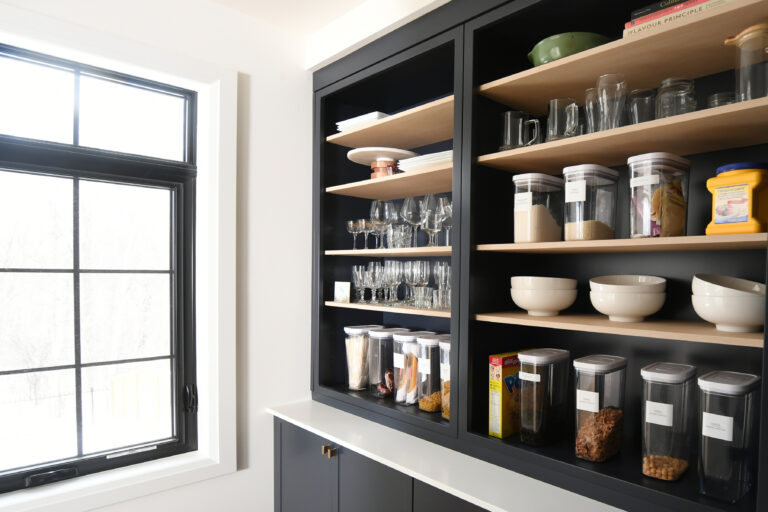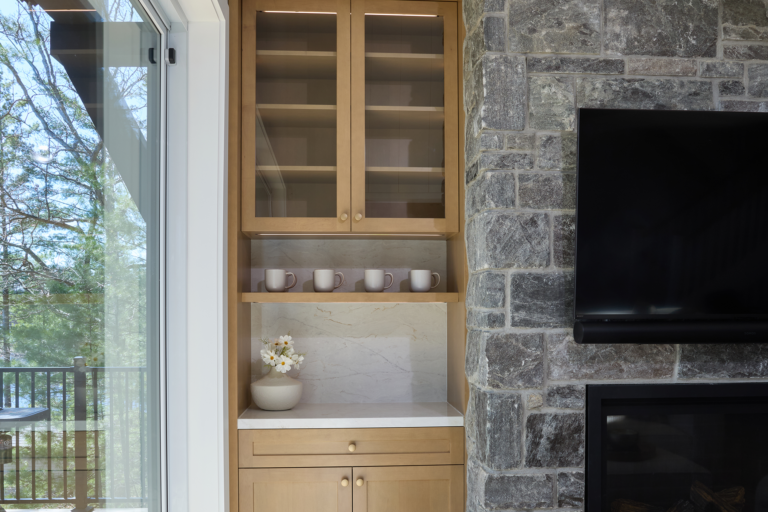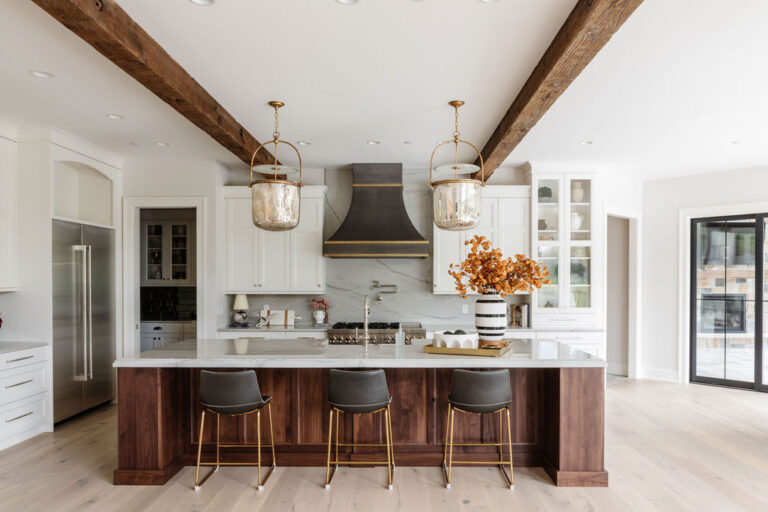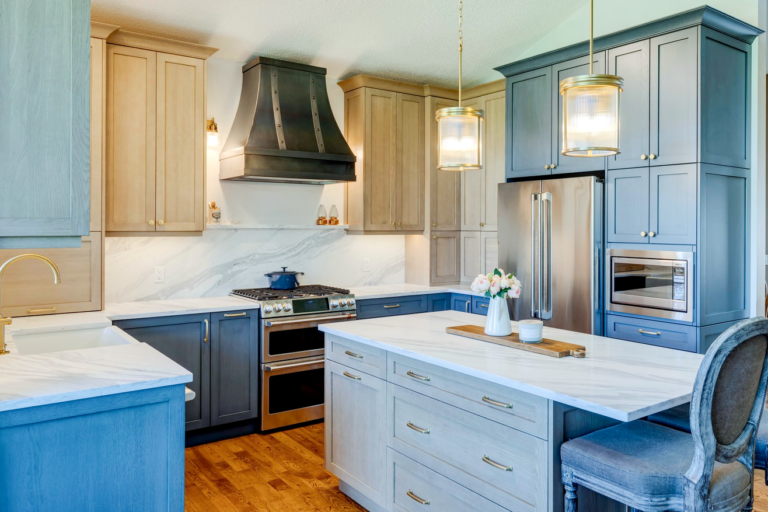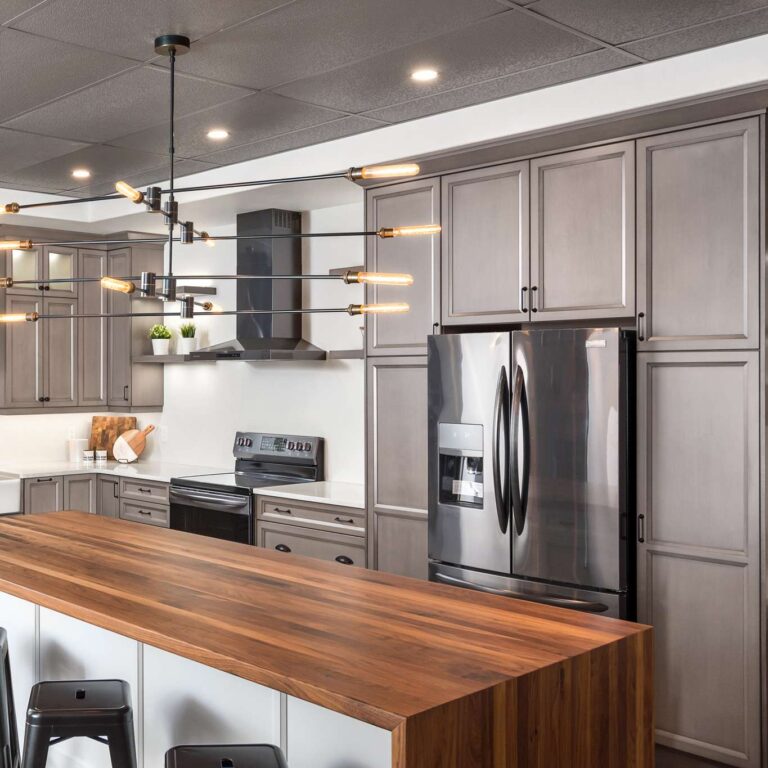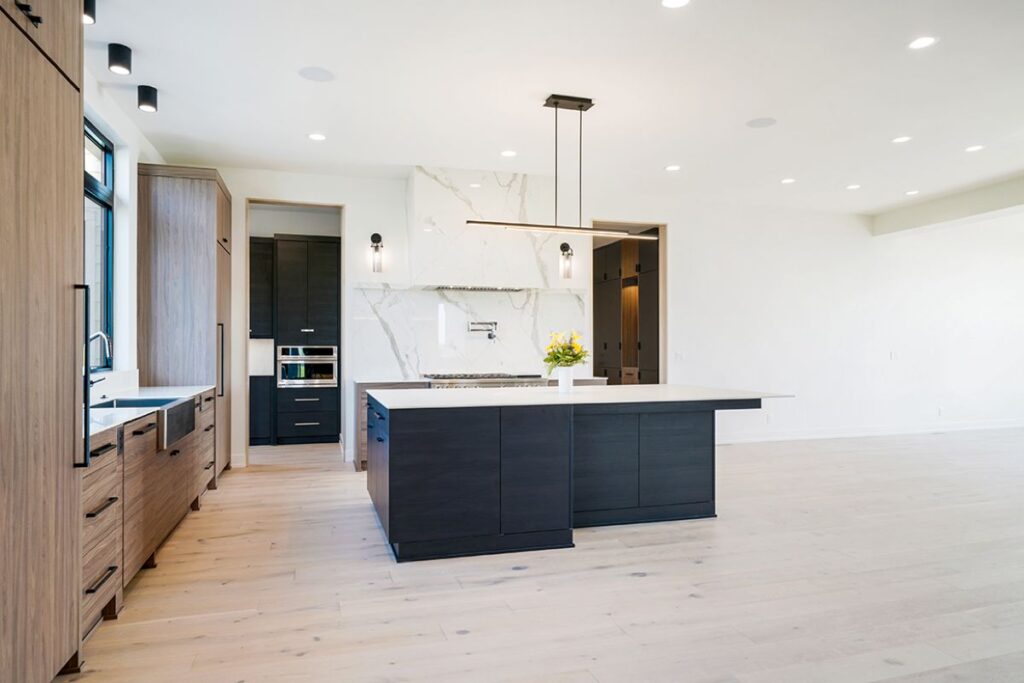
A custom cabinet quote can leave you with sticker shock, but the price of these household staples only tells half the story. That initial quote reflects made-to-order planning, skilled factory work, machine-assisted precision and durable material choices built specifically for your space, but doesn’t attach a price to the longevity and overall value you gain.
When done right, custom cabinets from a skilled manufacturer can last for decades and reduce the need for frequent repairs that are more common with standard non-custom options. Choosing made-to-order cabinetry can provide lasting durability, turning your kitchen into a long-term asset.

Why the Sticker Price Isn't the Full Story
Choosing stock, Ready-to-Assemble (RTA) or standard non-custom cabinets is a great way to save, but so is buying a suit off the rack. One option accommodates a standard template, while the other matches your home.
Industry data from HomeAdvisor shows that the average cost of kitchen cabinets is between $100 and $1,200 per linear foot. This large price gap arises because manufacturers use different materials, construction methods and customization levels. Lower-cost stock cabinets may use lower-grade particleboard and simpler fastening methods, which can affect how well they hold up to everyday use. In contrast, higher-quality custom cabinets use stronger construction methods, made-to-order sizing and durable components. In other words, they’re built to last.
Finding the true cost means considering the product’s entire lifespan. If you’re purchasing new doors or handles every few years, it can add up. Paying more up-front may hurt your wallet now, but it has the potential to save you a lot in the future.
What Are Your Cabinets Made Of?
The quality of the material decides how long a cabinet will last through everyday use.
Plywood and Particle Board
Stock cabinets usually use particleboard for the main box frame. This material contains glued sawdust and wood scraps pressed tightly together.
Over time, heavy plates, screw wear and moisture exposure can affect lower-grade particleboard more quickly. However, higher-grade melamine-covered particleboard is designed to offer a stronger and more finished cabinet interior.
For example, Decor Cabinets’ standard cabinet boxes use 5/8-inch melamine-covered particleboard, including full top and bottom floors that support box strength and create a finished interior look. Fixed shelves also use 5/8-inch melamine-covered particleboard.
Certain custom cabinet lines use plywood cabinet boxes because the layered construction can add strength and screw-holding power. Decor offers plywood as an upgrade.
From Durable Oak to Elegant Walnut
The wood species selected for doors and face frames can also change the overall appearance and cost of your cabinets. Budget designs often use common hardwood door types like alder, oak or poplar. Despite the price point, these options provide a classic look and great durability.
Upgrading higher end woods like cherry or dark walnut can raise the price, but if you’re going for a specific look, these high-end woods give a kitchen a unique character and deep colors that can shift with age. Picking the right wood can help you balance your favorite styles and your budget.
The Hallmarks of Quality Construction
Reputable builders prove cabinet strength through third-party tests. The Kitchen Cabinet Manufacturers Association applies a 600-pound load test, and 40% to 50% of products fail their first attempt. Checking for this quality seal, however, is one step in assessing construction.
Why Strong Joints Are Nonnegotiable
Quality joints are important because you’ll be opening and closing your cabinets daily. Some lower-cost RTA, prefab or stock cabinets may use simpler fasteners to hold pieces together. Over time, weaker fastening methods can loosen, potentially affecting cabinet stability.
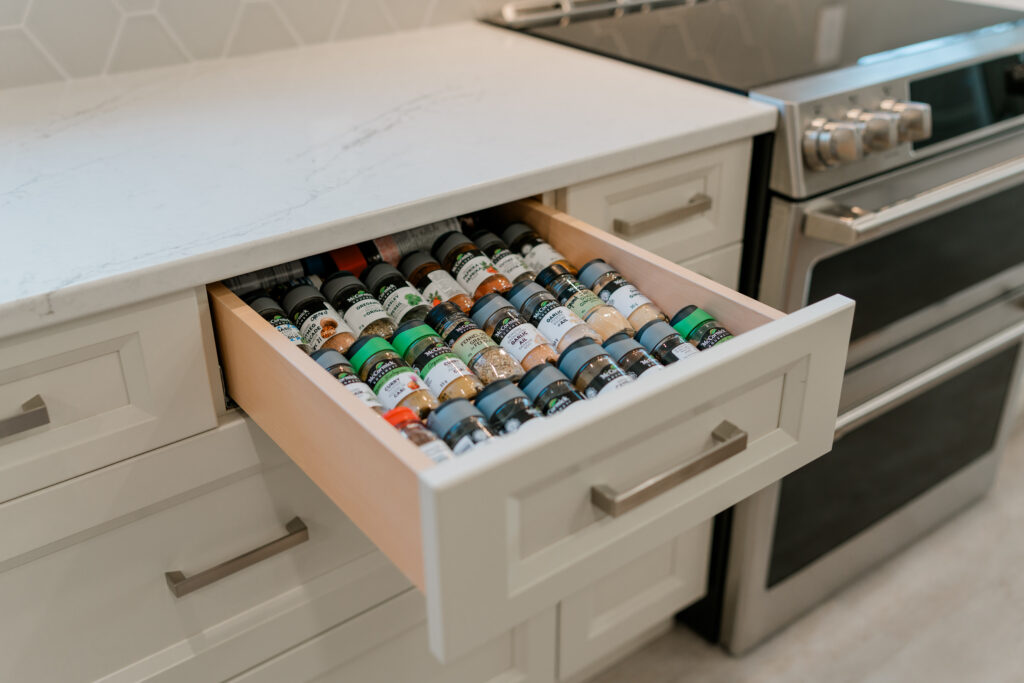
Quality custom manufacturers use durable construction methods to keep cabinets sturdy and square. Decor constructs cabinet boxes with 8 mm dowels glued into the sides and uses dovetail joints on drawer boxes and pull-outs.
Framed, Frameless or Inset Construction
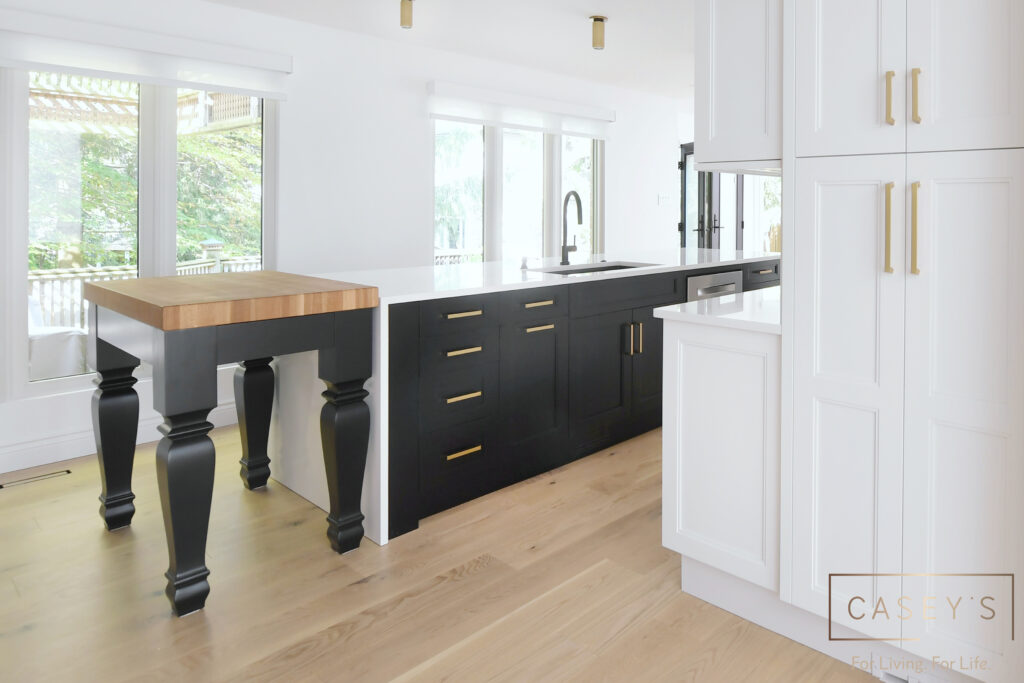
The frame style changes the building process and the final look. The three common core construction types affect durability and cost:
- Framed: Includes a wood frame attached to the front of the box for a classic style
- Frameless: Eliminates the front frame to maximize storage
- Inset: Places the doors inside the frame to sit flat on the cabinet wall
Inset construction requires near-perfect precision during assembly, as a small mistake can prevent the doors from opening. For these reasons, inset options are often pricier.
Achieving a Flawless and Durable Finish
Frequent cooks will subject cabinet surfaces to constant heat, steam and splashes of grease and water. Protecting wood against this harsh environment requires a detailed, multistep finishing process. A durable finish depends on the quality of the paint, application system and topcoat. A factory-applied finishing process, for example, can use durable materials and controlled application methods to create a long-lasting surface.
Professionals have specialized tools to achieve a picture-perfect look, like a random orbital sander that uses a slight wiggle action to remove any traces of crosshatch patterns for near-flawless results. After sanding, skilled finishing teams apply industrial primers that bond into the wood pores. Another round of sanding often follows the primer.
Next, skilled finishing teams spray multiple thin layers of high-grade conversion varnish, sanding the surface between layers to create a flat, uniform finish. Depending on the project type, a manufacturer may use clear finishes to protect the wood from wear and moisture while enhancing its appearance. The repetitive process creates a tough chemical barrier.
The Value of Features Tailored to Your Space
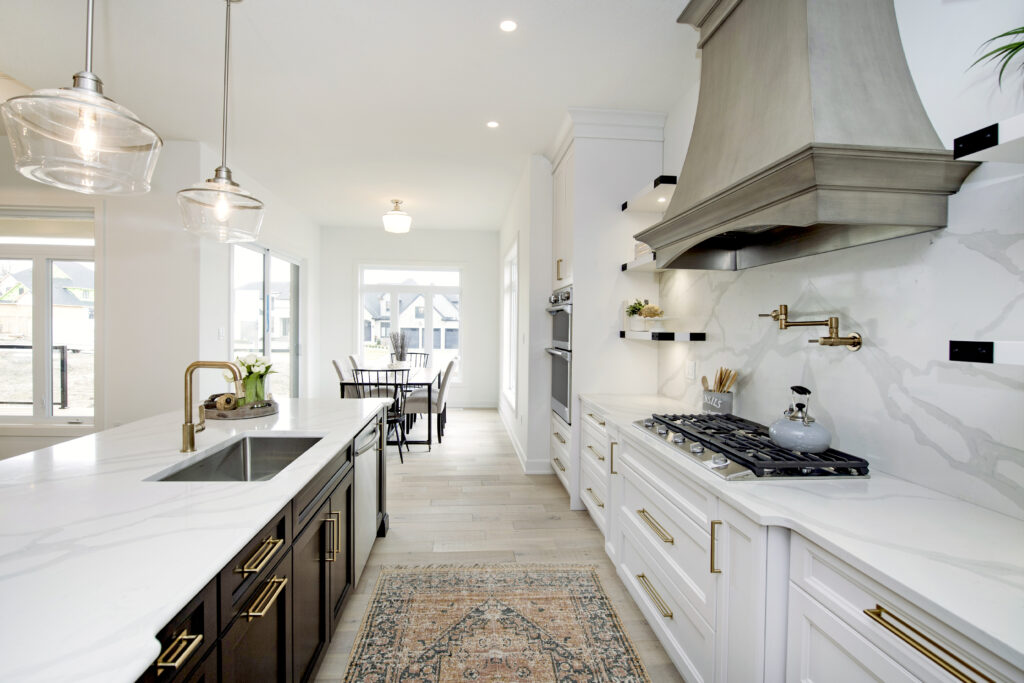
Your home is unique, even if your kitchen layout matches your neighbor’s. RTA, stock or standard non-custom cabinets come in set sizes, which can leave awkward gaps and wasted inches in tricky room layouts. Custom designs can adjust cabinet sizing within a set range of specifications to better match your space and household habits.
For instance, installing floor-to-ceiling built-in cabinets in your galley kitchen provides ample storage while meeting your specific space needs.
Made-to-order cabinetry can turn narrow walkways into efficient cooking zones or make the most out of small areas. Designers can reduce filler strips and dead corners by drafting plans around your actual plumbing and appliances. A personalized layout uses every inch of the room.
Calculating the True Return of Your Investment
Data from JLC Online shows that even a minor kitchen remodel can deliver a 113% cost recovery after resale. An upscale remodel, which may include custom cabinetry, still produces a 36% cost recovery, making the investment worthwhile.
Professional design, durable construction and made-to-order manufacturing may help your property stand out to future buyers. While custom options are more expensive, 30% of realtors recommend that sellers upgrade their kitchens before selling.
Protecting your finances is important, but being in a space you enjoy is another consideration. If you feel comfortable in your kitchen, you may be more likely to spend time there. That translates to more home-cooked meals and higher satisfaction.
So, Are Custom Cabinets Worth the Cost?
Evaluating the true cost of kitchen cabinets requires more than the up-front cost. The real price tag means measuring your purchase over decades of daily use, comparing standard non-custom solutions in a tricky room and assessing the cost recovery on your kitchen remodel. Skilled manufacturing and made-to-order construction help support the lasting value of your home.