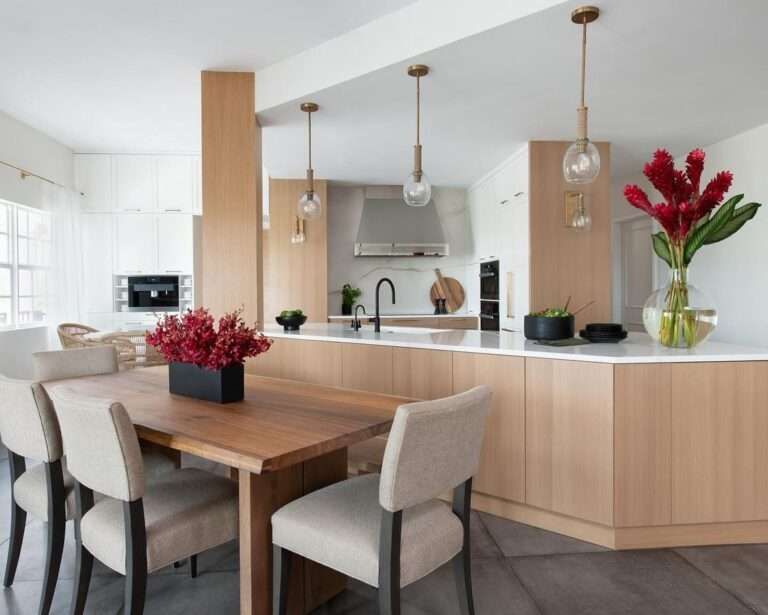
You don’t have to choose between designing your kitchen for yourself and for resale. A thoughtfully designed kitchen can bring you joy and meet the expectations of future buyers. The key is understanding which elements have universal appeal and which invite personal expression. By making smart, intentional choices, you can enjoy your kitchen now while preserving its long-term value.
The Foundational Elements for Resale
According to the Journal of Light Construction, kitchen renovations typically have an ROI of between 51% and 113%, with minor upgrades surprisingly having some of the highest impact on resale value.
However, whether you plan to sell soon or not, some aspects of the room are best treated as long-term investments. These foundational elements are not compromises. They enhance your daily life while ensuring your home remains attractive in the market.
Cabinet Quality
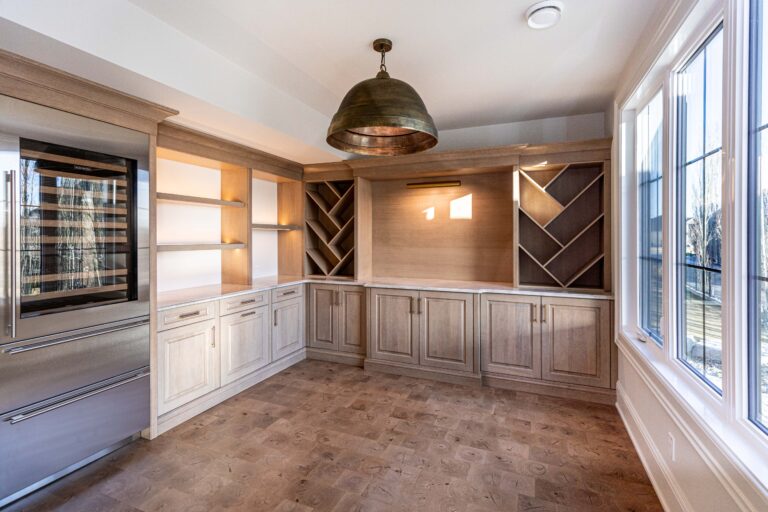
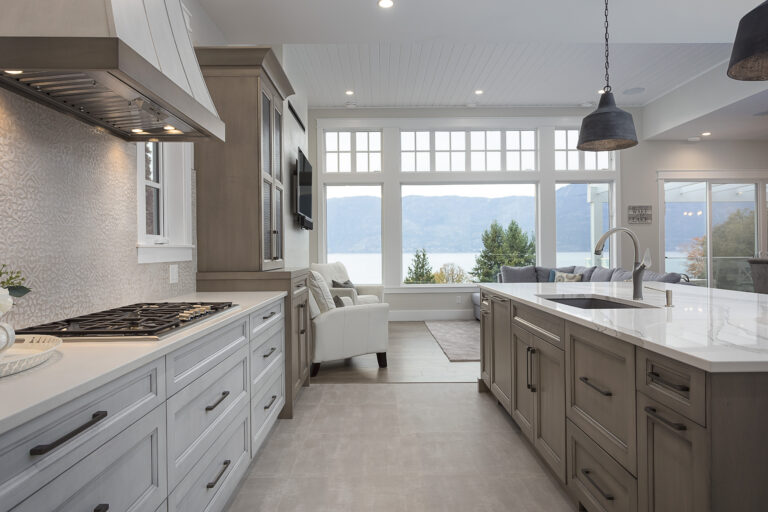
High-quality cabinetry is one of the most important decisions you will make. Wood construction, durable finishes and thoughtful craftsmanship signal lasting value. Premium cabinetry stands the test of time both structurally and stylistically. It looks nicer, functions better and ages gracefully. Whether you stay in your home for three years or three decades, it’s an investment that consistently pays off.
Countertop Quality
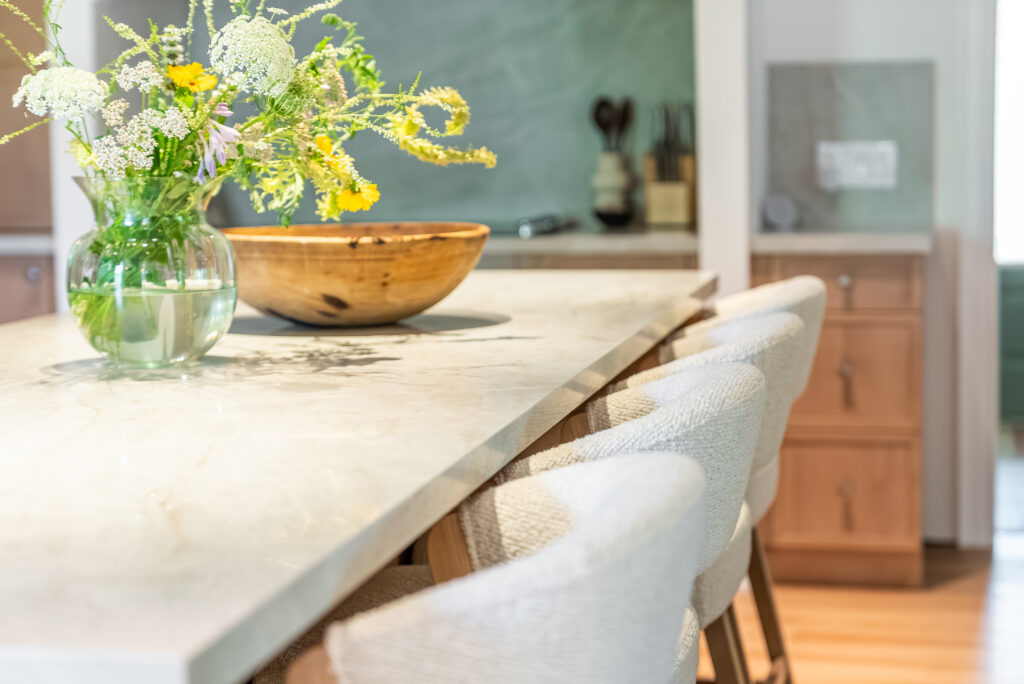
Countertops endure constant use, so material matters. Natural stone and high-end quartz are widely appreciated for their durability and timeless appearance. These materials resist wear and maintain their beauty over time. However, you can pick your preferred edge profiles and finishes without compromising value.
Layout and Function
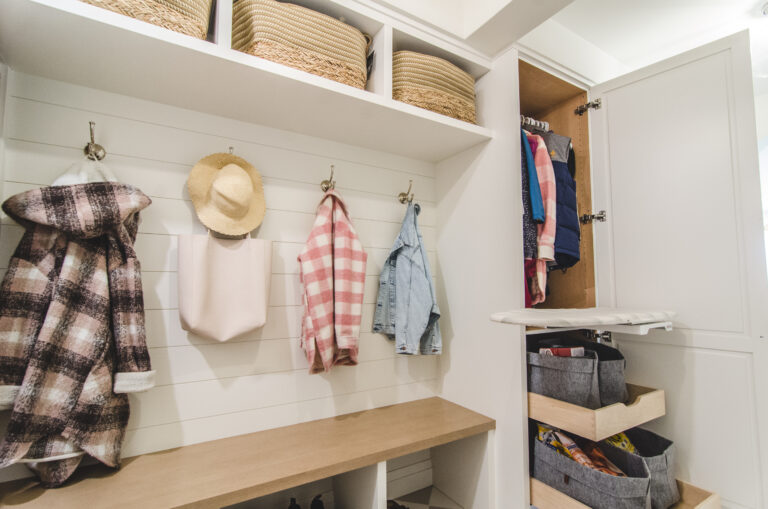
A beautiful kitchen means little if it doesn’t work well. Layout determines how the space feels and how easy it is to use every day. Storage should be intuitive, with immediate access to frequently used items. The classic work triangle between sink, range and refrigerator is often the most efficient solution. However, it doesn’t work for every room shape or cooking style. Sometimes, a zoned layout works better, which future buyers will also appreciate.
Appliance placement is another area where people expect a logical setup, such as a dishwasher near the sink and proper ventilation above the range. These standards are rooted in usability. A poorly planned kitchen can turn off buyers immediately, but a well-designed layout enhances both livability and saleability.
Where to Have Fun with Personal Expression
Where design elements are flexible and changeable, your personality can shine without introducing long-term resale risk.
Cabinet Hardware
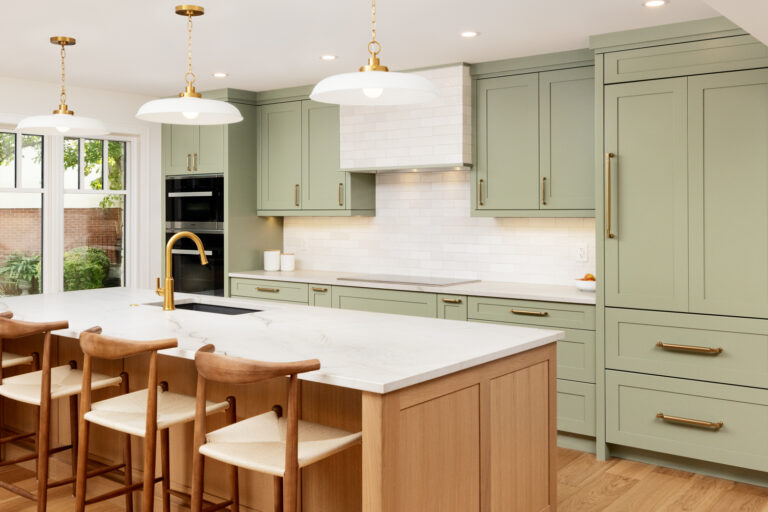
Hardware is one of the simplest ways to define your kitchen’s character. Whether you prefer sleek modern pulls, classic knobs or something more distinctive, the choice is entirely yours. Because hardware is easy to replace, it carries virtually no resale risk.
Paint Colors and Backsplash
Wall color is one of the most flexible design elements in any home, so feel free to use bold or unique shades in your kitchen. Shades of green or blue can evoke peace and tranquility in a busy hub. Alternatively, pink livens things up, and yellow adds a hint of playfulness.
Repainting is quick and inexpensive compared to other renovations, and generally will not put buyers off. A backsplash is another opportunity for creativity. While it’s more permanent than wall paint, it can still be updated without altering the rest of the kitchen, should future buyers wish to do so.
Lighting Fixtures
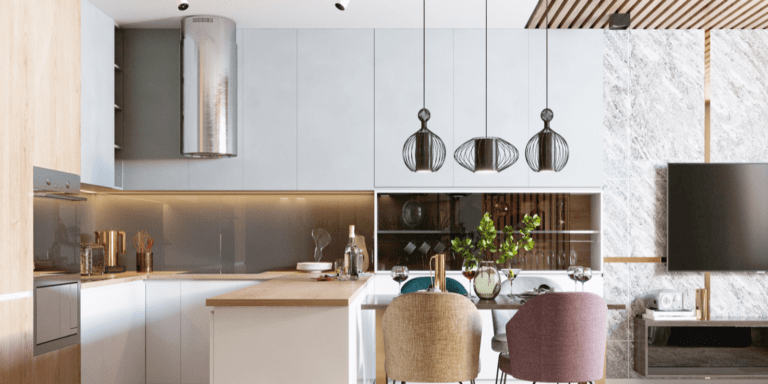
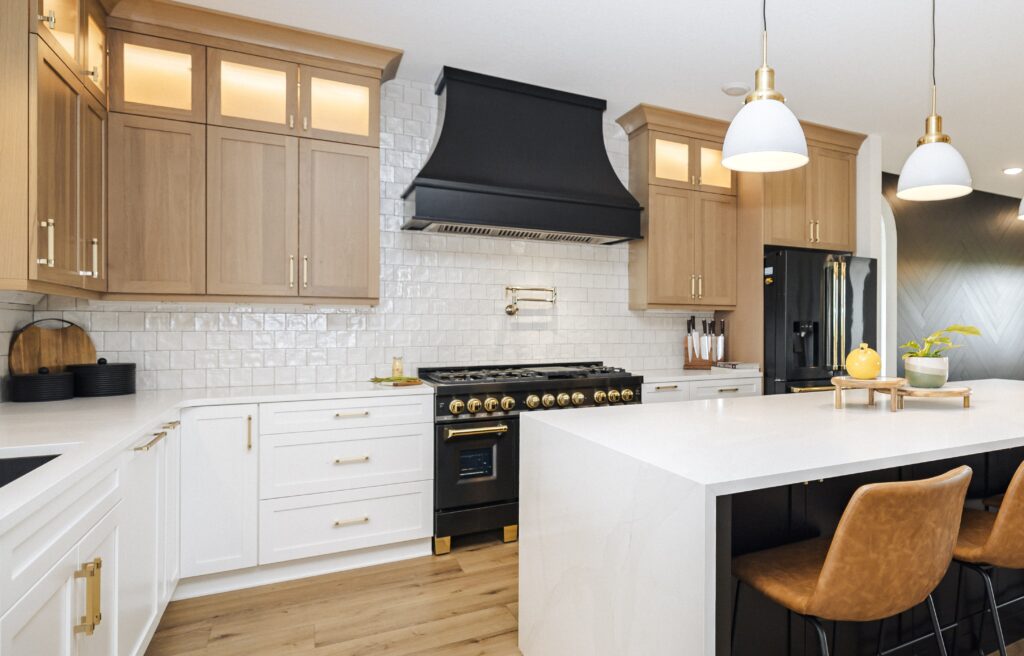
Lighting dramatically affects a kitchen’s feel and is an easy way to express your style. Statement fixtures over an island or dining area can define the whole space. These are easy to swap out, so you can choose lighting that brings joy to your daily experience, rather than trying to anticipate future trends.
Cabinet lighting, while a permanent part of the cabinet itself, adds depth and customization to your home. It adds personality while increasing the value of your cabinetry, a win-win.
Decor and Accessories
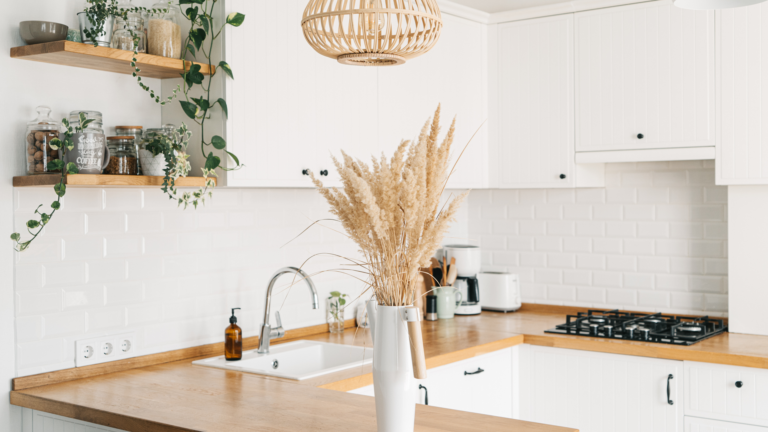
The finishing touches in any room are completely personal. Accessories like shelving, artwork and textiles are easy to change as your tastes evolve and won’t affect resale value. Feel free to go to town here, because:
- Seasonal styling can keep your kitchen feeling fresh and interesting.
- Artwork adds personality and warmth.
- Textiles introduce color and texture.
The Strategic Middle Ground in Kitchen Design
Between the “classic for a reason” and “go all out to express yourself” ends of the scale, some decisions require a nuanced approach. These are more permanent elements, but still offer room for personalization when handled carefully.
Cabinet Style and Finish
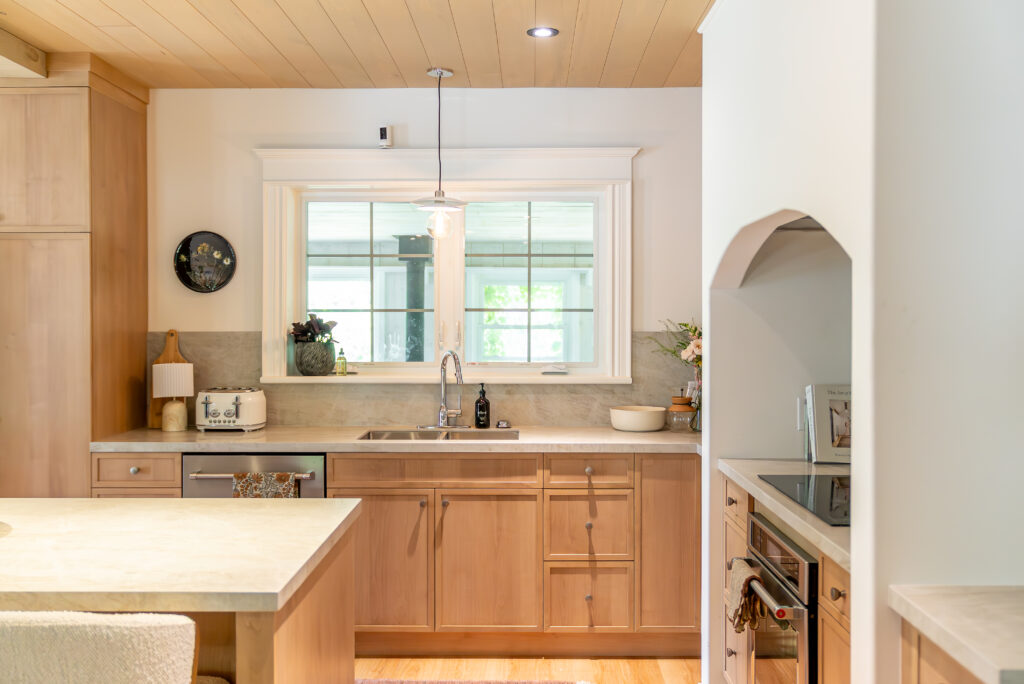
This design feature sits right at the intersection of personal taste and long-term value. While certain styles, like Shaker, are highly versatile, your home’s architecture should guide your decision. A historic property may call for more detailed cabinetry, while a contemporary home benefits from clean lines. Natural wood finishes often strike a balance between timeless appeal and individual character.
Flooring Color and Coordination
Design professionals recommend that flooring choices consider your kitchen’s natural light, ceiling height and the mood you want to create. A bright, open kitchen can support darker flooring, while a smaller, lower-lit space may benefit from lighter tones.
If you favor a relaxed vibe, muted blue or gray can be a good floor color. If your kitchen is more energetic or sociable, warm browns or even reds can bring it to life. The goal is harmony between cabinets, countertops and floors. If you can achieve that, future buyers will see the holistic picture of style.
Island Features
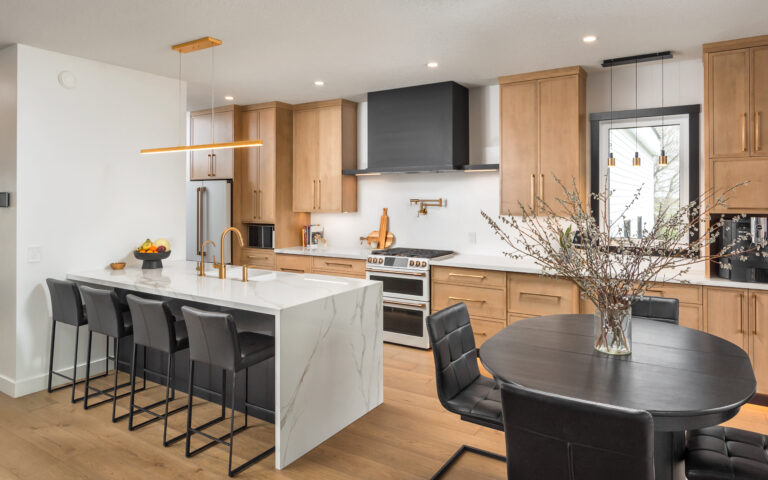
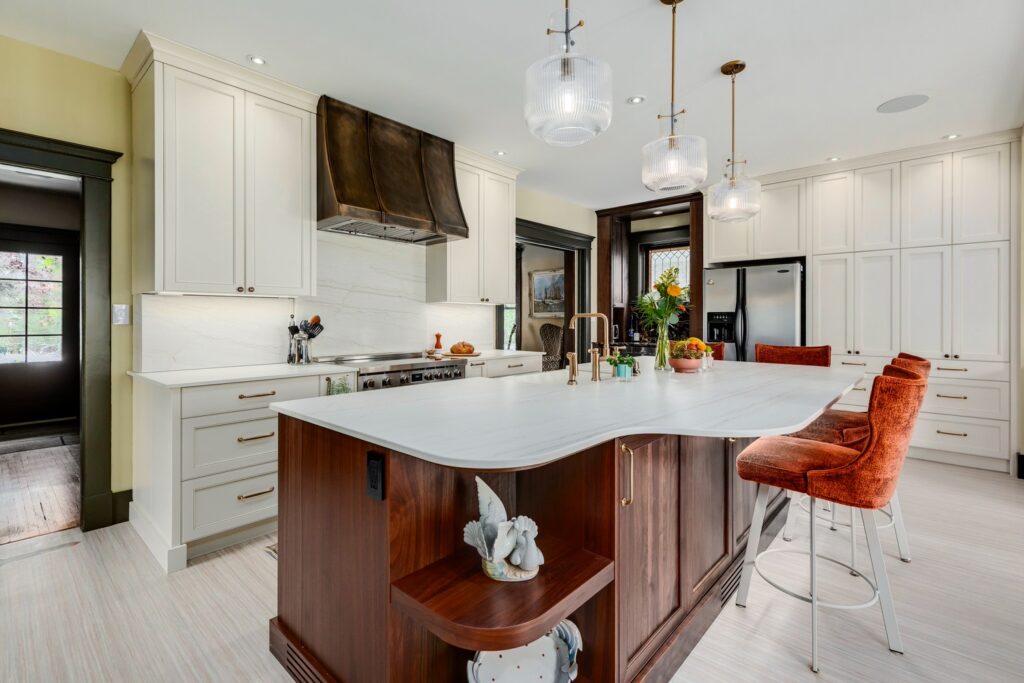
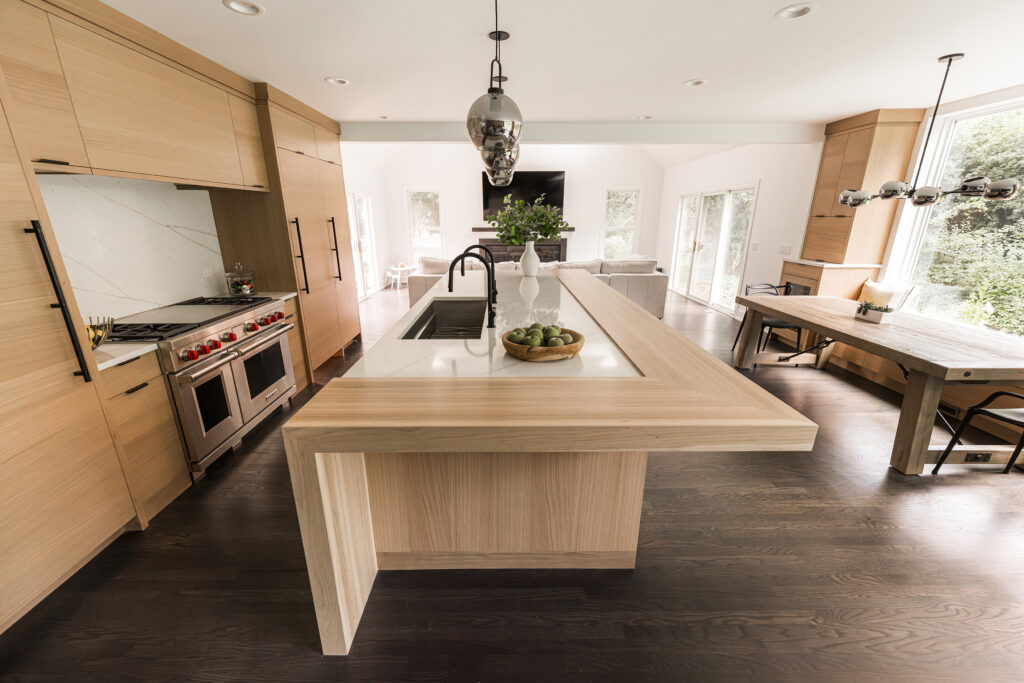
Kitchen islands often become the centerpiece of the space. Elements like waterfall edging, contrasting finishes or seating arrangements should reflect how you live. A large island that accommodates gatherings can appeal to both your current lifestyle and future buyers. The key is avoiding specific features that limit flexibility. For example, a built-in pet feeding station may be loved by some but loathed or simply not needed by others.
When Context Trumps Conventional Wisdom
This framework is not set in stone, because everyone’s home is different. There are times when your unique circumstances should guide your decisions.
Your Home’s Architecture
Design choices should align with the building’s style. A rustic cabin benefits from rich wood tones regardless of other considerations, whereas an ultra-modern home needs clean lines to avoid looking dated. What might seem risky in a generic context often feels perfectly appropriate when it matches the architecture.
Your Neighborhood Standards
Your local market sets expectations. In higher-end neighborhoods, premium finishes are the norm. Choosing high-quality materials is less about standing out and more about meeting the standard. Conversely, if your home already exceeds neighborhood norms and is by default sought after in your area, you have more freedom to personalize.
Your Timeline
How long you intend to stay in your home matters. If you plan to move relatively soon, you may want to choose neutral options to maximize your resale potential. However, if you plan to stay put for a while, a long-term perspective lets you prioritize your own enjoyment.
The Sweet Spot That Serves Both Goals
The good news is that many quality design choices naturally support both your current lifestyle and future resale value.
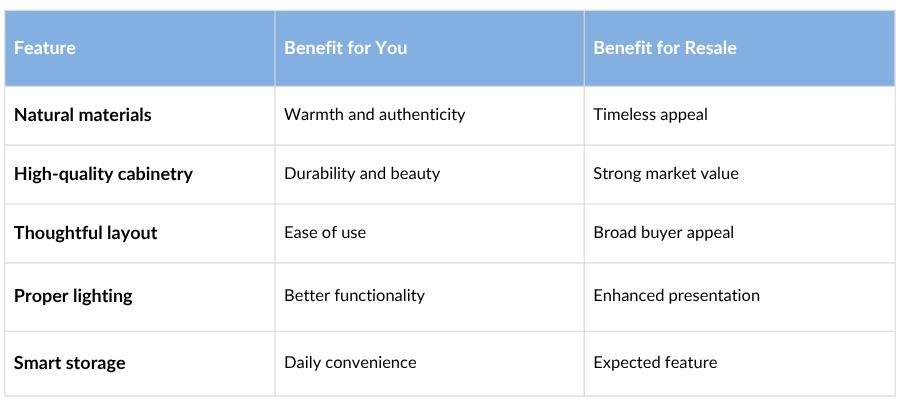
Premium materials and craftsmanship create a kitchen that feels elevated every day. Buyers rarely question these choices, because they signal care, quality and longevity. High-quality materials hold their value regardless of market shifts and trends. For example, 58% of designers recommend natural stone, such as quartz or granite, for maximum resale impact.
Personalize Your Kitchen Without Regret
Sacrificing personal tastes to satisfy hypothetical future buyers is not necessary. The smartest approach is to focus on high-quality foundations, personalize flexible elements and make thoughtful decisions in the areas that bridge the two. Kitchens designed for real life perform well in the market because they feel both authentic and functional. Start by considering what matters most to you day to day, then build from there with confidence.