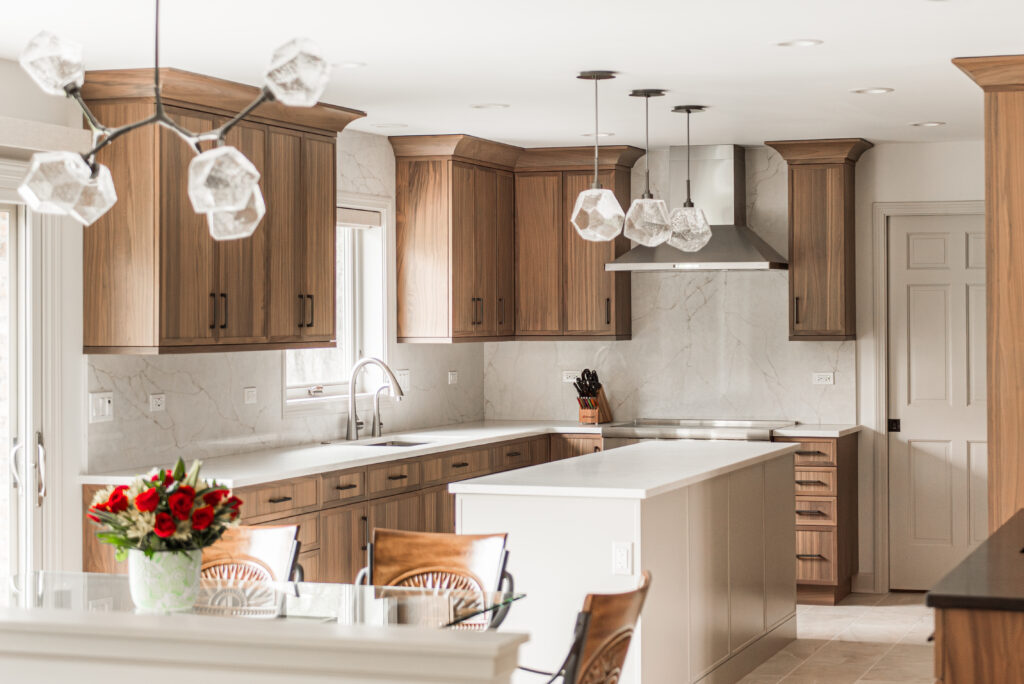
Rising housing costs, student debt and shifting career paths have made multigenerational living increasingly common, and for many families, it comes with unexpected benefits. However, the kitchen is often where the adjustment becomes most noticeable. Suddenly, there are two coffee routines, two grocery hauls and twice as many opinions about where everything belongs.
A few thoughtful storage updates can go a long way toward keeping the space organized and reducing everyday frustrations. Here’s how to create a kitchen that works comfortably for everyone under the same roof.
Assess Your Current Storage Gaps
Around half of Americans between the ages of 18 and 29 now live with at least one parent, so kitchens across the country are absorbing the same pressures as yours. Your returning child has most likely developed their own eating habits, schedules and dietary preferences. They may meal prep on Sundays, follow a different diet than the rest of the household or keep hours that put them in the kitchen when you’re asleep.
It’s also worth acknowledging that parents and adult children tend to weigh this living arrangement differently, and what feels like a generous accommodation to you might feel like a lack of independence to them. Storage that gives each person genuine ownership of their own space can bridge that gap. Walk through your kitchen with fresh eyes and note where it falls short. Common gaps include:
- A pantry with no clear divisions between household members
- A single coffee setup that creates a morning bottleneck
- Counter space that can’t accommodate two people cooking at once
Create Zones That Keep the Peace
Once you know where the gaps are, the next step is dividing the space in a way that feels fair to everyone. The goal is to separate the items that cause friction while keeping the kitchen from feeling like a dorm with masking tape down the middle.
Personal Storage Zones
Dedicated zones are the single most effective tool for multigenerational kitchen harmony. Assign each person a lower cabinet or a pantry shelf for their personal staples. When everyone knows exactly where their food lives, you eliminate the daily negotiations over who owns what.
Breakfast and Coffee Stations
A separate breakfast or snack zone pays off quickly. Stock it with grab-and-go items, mugs and the toaster so that morning traffic flows instead of colliding. If two coffee drinkers keep different setups, consider a small dedicated coffee station with its own drawer for filters, pods and beans.
Communal Staples
Not everything needs its own zone. Shared staples like cooking oil, spices and bakeware can stay communal. You might split the costs of these items with your adult child or offer them freely, depending on what works best for your household.
Design for Durability and Heavy Use
More people in the kitchen means more wear on every surface. Cabinet doors open and close dozens of additional times a day, drawers carry more weight and finishes endure more fingerprints, splashes and scrubbing. Material quality is worth consideration in a shared kitchen.
Hardwood Cabinetry
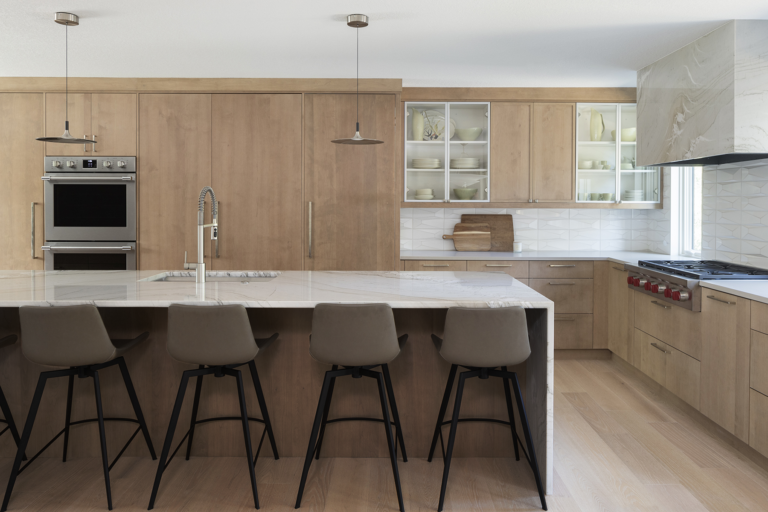
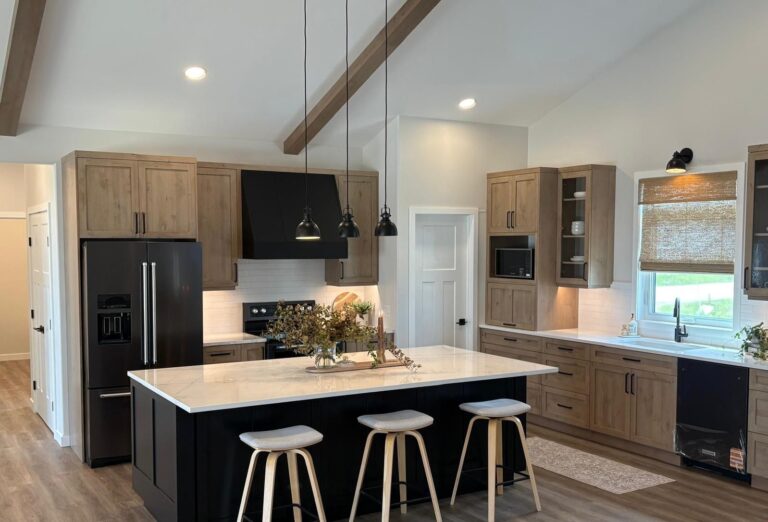
Hardwoods are denser and more resistant to dents, scratches and everyday wear than softer alternatives, making hardwood cabinetry a smart investment when designing kitchen storage for a household with multiple daily users. Cabinets built to handle heavy use will still look good when the house eventually quiets down again, and they hold their value if you ever sell.
Hardware and Finishes
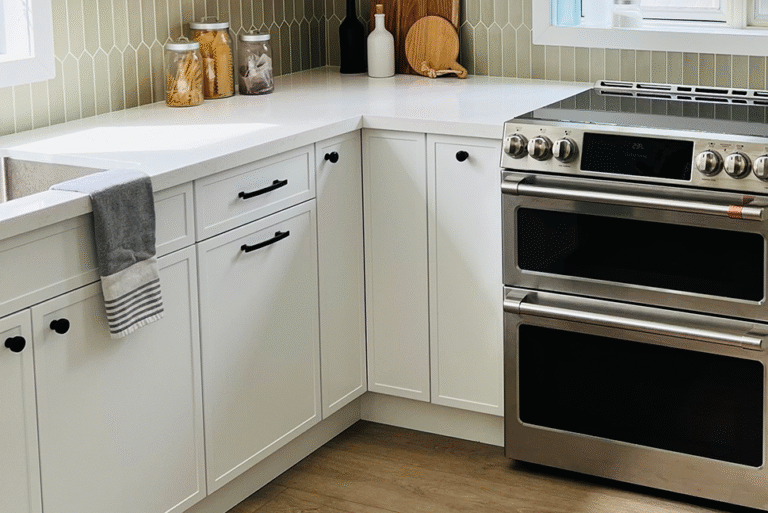
Soft-close hinges and drawer slides protect cabinet boxes from years of enthusiastic slamming, and reinforced shelving handles the weight of a fully stocked multigenerational pantry. Choose easy-to-clean finishes for shared zones. A wipeable painted or sealed surface saves arguments about who left the mess.
Build In Flexible Storage Solutions
Several flexible options add real capacity without a major renovation, which makes them ideal for a living situation that may not be permanent.
- Adjustable shelving: Shelves that move up or down let you reconfigure a cabinet from cereal boxes to small appliances in minutes, which matters when household needs change every few months.
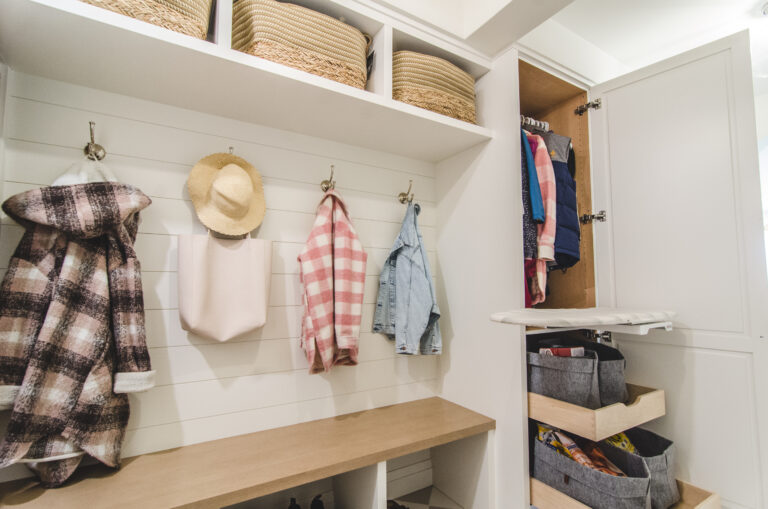
- Pull-out organizers: These make deep cabinets usable for everyone, regardless of height or mobility. A pull-out shelf brings the back of the cabinet to you, so nobody has to kneel on the floor and excavate.
- Open shelving and pegboards: Open shelving, pegboard organizers and pantry cupboards round out the toolkit. Pegboards mounted inside cabinet doors can keep measuring spoons, spatulas and other small tools hung neatly out of sight.
- Modular drawer systems: Dividers and inserts that lift out and rearrange mean a drawer dedicated to your child’s meal prep containers today can hold serving pieces next year.
Time Your Kitchen Renovation
If you’re hosting an adult child while eyeing retirement, the timing of a kitchen renovation is worth careful consideration. The right answer depends largely on how long you plan to stay in the home.
If a sale is on the horizon within the next several years, a targeted refresh with new hardware, paint and pull-out organizers often delivers better return than a full custom build. Highly personalized cabinetry can actually work against you at resale if the layout or style doesn’t appeal broadly to buyers.
If you’re planning to age in place, investing in custom cabinetry now makes more sense, especially if you’re already reworking the kitchen. A single renovation is the ideal time to build in accessibility features, such as pull-out shelving, lower countertop sections and easy-grip hardware. Retrofitting them later costs more and may prevent them from seamlessly blending into the space.
Either way, living with a second daily user will reveal exactly which cabinet locations are awkward, where workflow breaks down and what you actually need fixed. These insights can inform your kitchen renovation.
Plan for the Eventual Empty Nest
Most boomerang arrangements are temporary, so design with the exit in mind. Favor storage that converts back to your own needs later. You can reassign or retire removable shelf dividers, freestanding pantry organizers and labeled bins without leaving a trace. Avoid hyper-customized built-ins designed around one person’s habits unless they can serve another purpose later.
Think of it as future-proofing in both directions. The same flexible systems that accommodate an adult child moving in will accommodate grandkids visiting, aging-in-place adjustments or simply
your own evolving cooking habits. Investments in durable materials and adaptable layouts keep paying off long after the second toaster goes back in a moving box.
Design Kitchen Storage That Works for Everyone
Welcoming an adult child home changes daily life in big and small ways, and the kitchen feels those changes first. Clear zones reduce friction, durable materials withstand the extra traffic and flexible systems adapt as the household evolves.
A weekend of reorganizing, a few smart upgrades and an honest conversation about who needs what will carry most families through. For bigger changes, such as new cabinetry or a reworked layout, a conversation with a remodel professional who understands multi-user households is the right place to start.