Quick Answer: The right cabinet material comes down to three things: the style you want, how much daily wear the cabinets need to take, and your budget.
- If you want the most durable option, maple is hard to beat.
- If you want the look most designers are reaching for right now, white oak leads.
- And if budget is the priority, alder gives you real wood without the higher cost.
Now into the breakdown of each material, where each material works best, and how to match the right one to your project.
3 Questions to Ask Yourself Before Choosing a Cabinet Material
Before you fall for a wood grain or a paint color, answer these:
- What style are you going for? Warm and modern, clean and contemporary, soft and transitional, or classic and traditional.
- How much wear will these cabinets take? A busy family kitchen sees a lot more action than a guest bath or a home office.
- What’s the budget? Material is one of the biggest levers on cost.
Choosing Between Durability, Style, and Budget
Most of the time, durability and budget line up. The tougher materials tend to cost a bit more, and the softer ones cost less. But not always. Painted HDF, for example, is very durable for a painted finish and sits in the middle on price. So look at all three factors together instead of picking on price alone.
Most durable cabinet materials, ranked for you.
If longevity and daily wear are your top concern, here’s how the common options stack up, ranked for durability.
Summary: Maple and oak for the busiest spaces. Painted HDF when the finish is paint. Walnut and alder when the look or budget matter more than maximum toughness.
- Maple. Dense, hard, and tight-grained. It holds up in high-traffic kitchens.
- Oak. Strong and open-grained, with great structural toughness. White oak in particular is both durable and trend-forward.
- Painted HDF. Engineered for paint. It gives a smoother, more stable painted surface than solid wood, and it resists the cracking and joint lines that paint on real wood can develop over time.
- Cherry. A solid hardwood that wears well, though softer than maple and oak.
- Walnut. Beautiful and reasonably durable, but softer than the woods above, so it shows dents a little more easily.
- Alder. The softest of the group. It holds up fine for normal use, but it dents and marks more readily, which is part of why it costs less.
Most stylish materials right now, ranked for you.
Here’s the trend ranking of each of these materials, if style is your highest priority. We will break down where each material fits best below.
- White oak
- Painted HDF
- Walnut
- Alder
- Maple
- Cherry
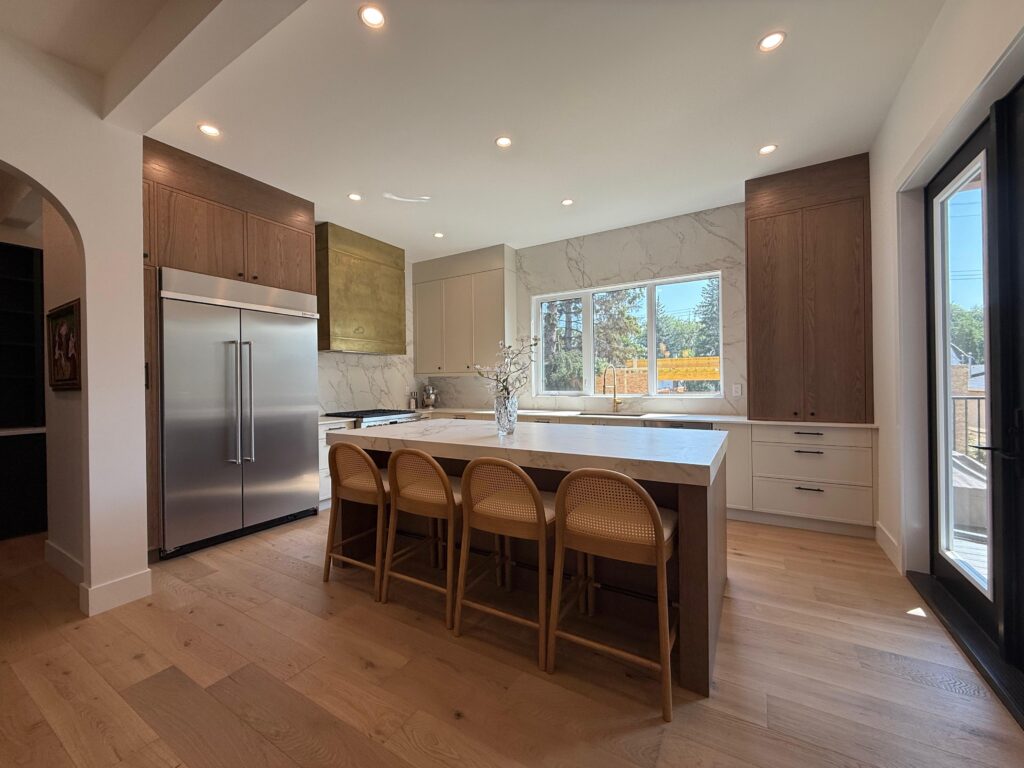
Keep in mind, you don’t have to choose just one! Mixing materials, like painted perimeter cabinets with a walnut or white oak island, is one of the most popular looks right now and a smart way to balance budget and style.
An Overview of Custom Cabinet Materials
If you are unfamiliar with wood species, here is a brief summary of what to expect from the different wood materials we mentioned. Remember, while there are common characteristics within a species, each tree is unique and there is natural variations to be expected in wood. That is what we love about real wood!
White Oak
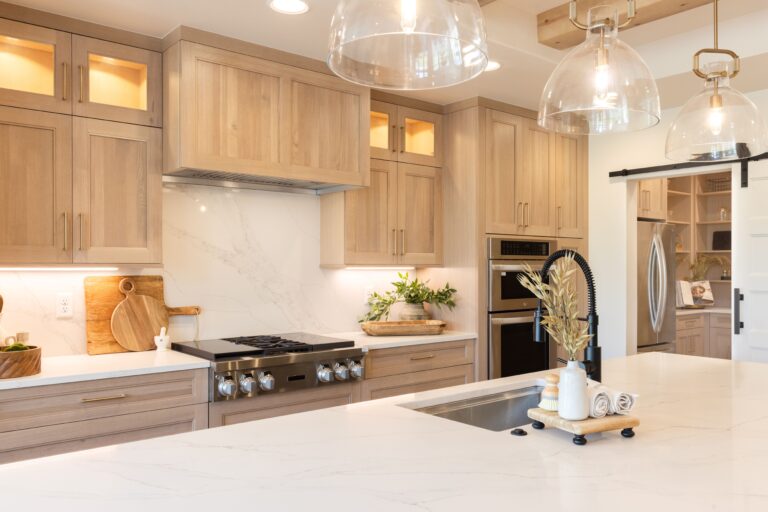
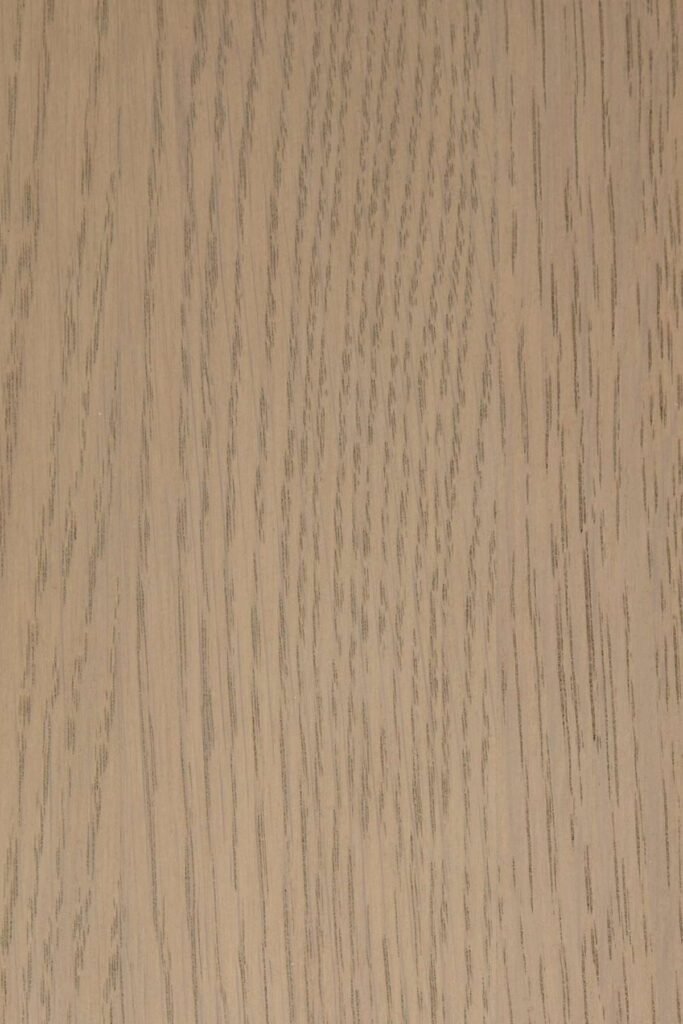
The current favorite for warm, modern, and modern organic kitchens. Its straight grain looks great in rift or quarter-sawn cuts, and it pairs naturally with stone and warm neutrals. Choose white oak when you want wood that feels current without trying too hard. It’s a top pick from 2025 and is only growing in popularity in 2026.
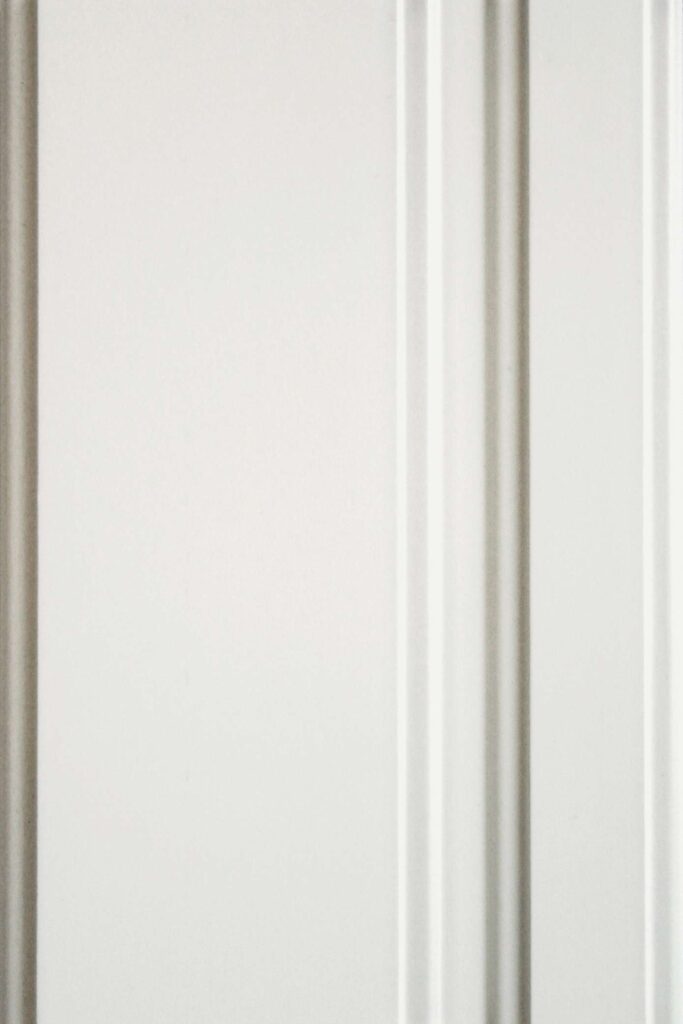
Painted HDF
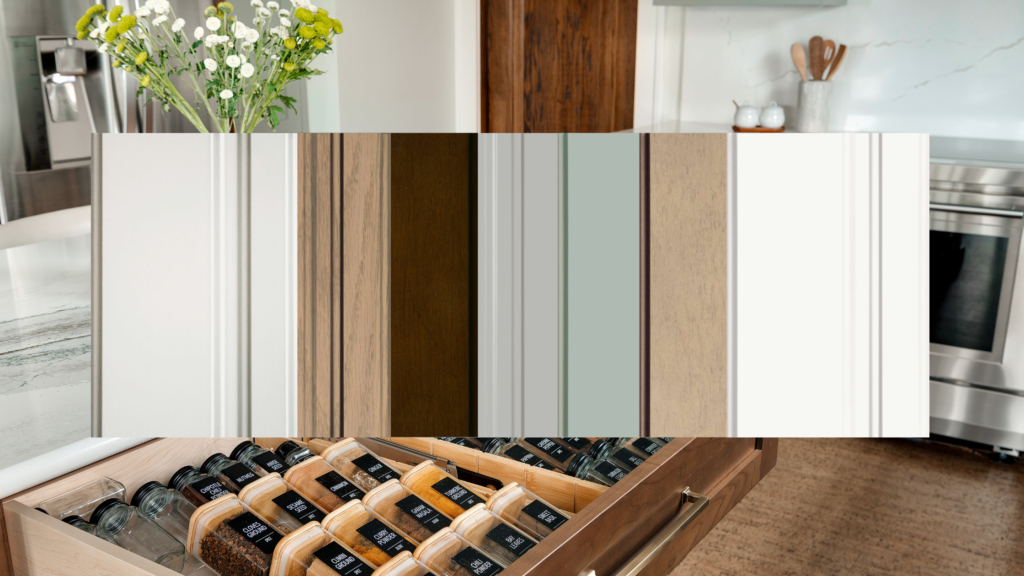
The go-to for painted cabinetry. It gives a smooth, durable paint surface that holds up better than paint on solid wood. Great for crisp white kitchens, warm off-whites, soft greens, and skinny shaker or slab doors. Choose painted HDF when the design calls for color and a clean, even finish. Plus, it’s extremely durable.
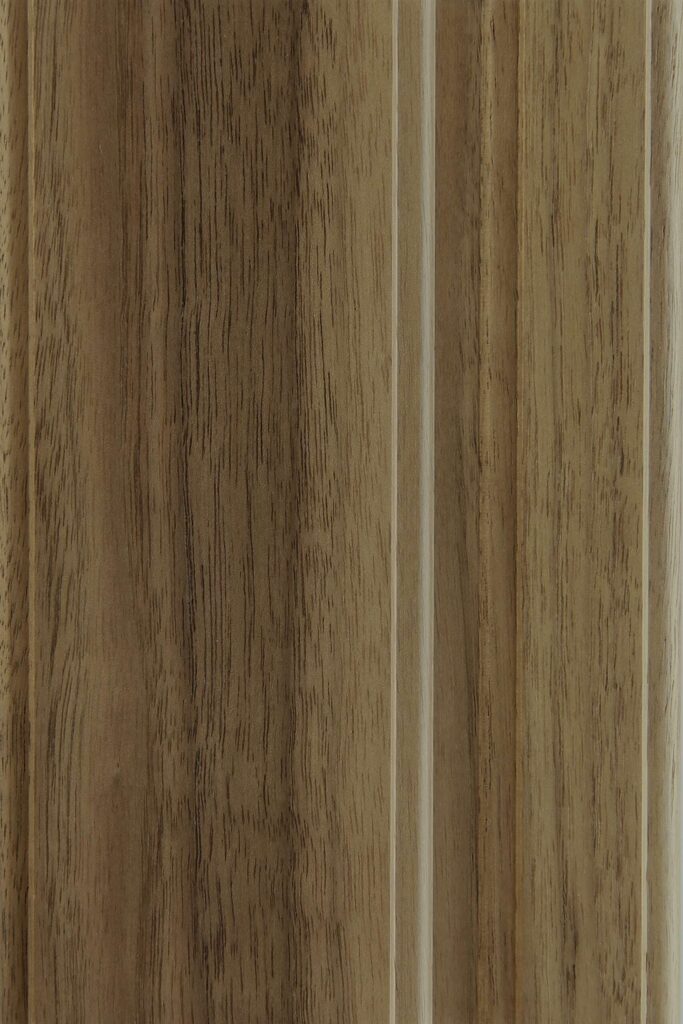
Walnut
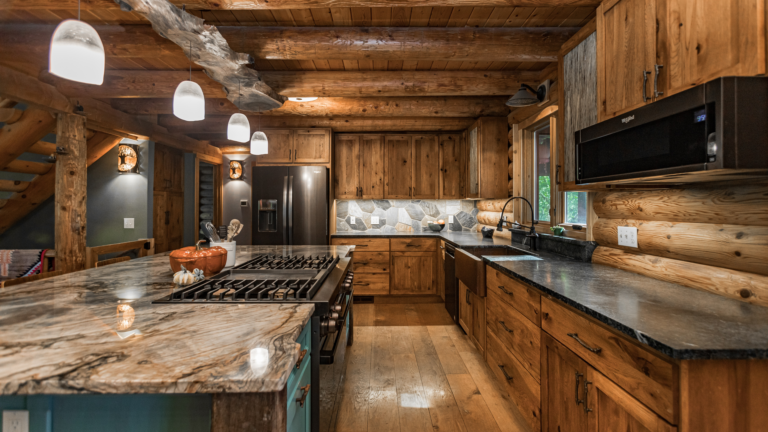
Rich, warm, and full of character. Walnut is a favorite in contemporary and modern organic spaces, often used as an island, an accent run, or a feature wall rather than the whole kitchen. It also works well in traditional spaces that want an organic touch. Choose walnut when you want a focal point with depth and warmth.
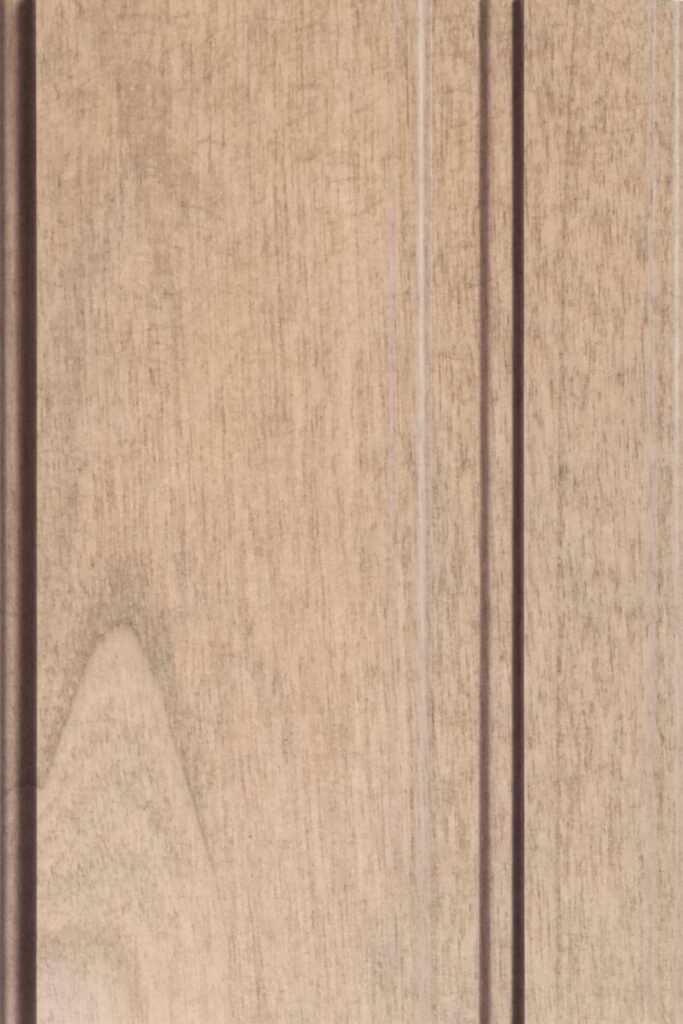
Alder
Soft, warm, and budget-friendly. Alder takes stain well and suits transitional and rustic looks, especially knotty alder for a relaxed, lived-in feel. Choose alder when you want real wood character at an accessible price. It’s pretty versatile, which makes it a favourite among homeowners and designers, despite some misconceptions around the species.
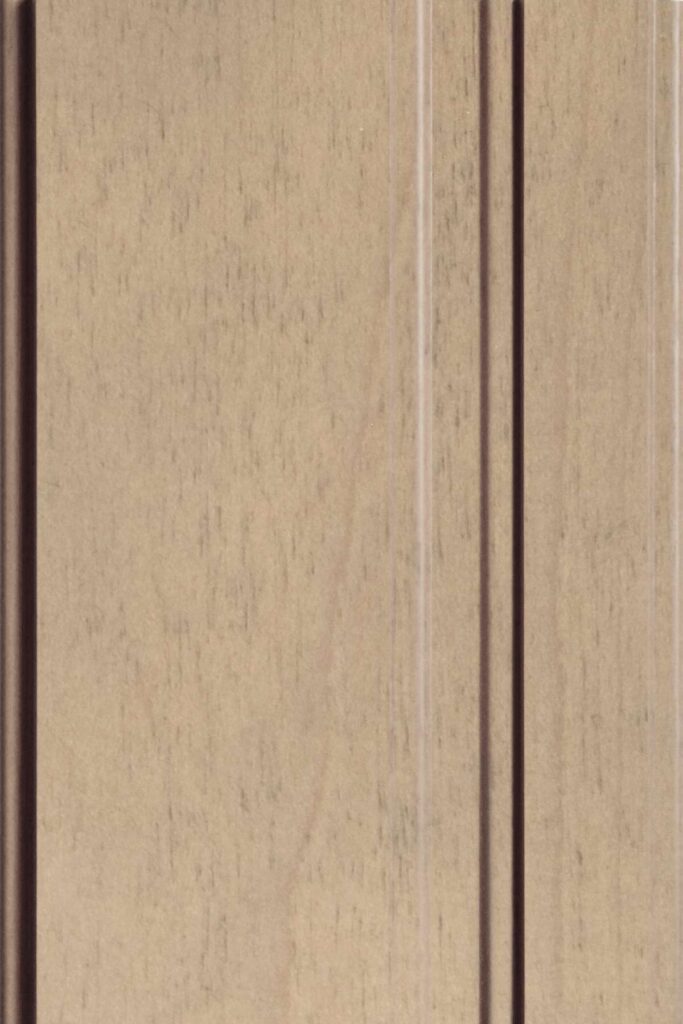
Maple
Smooth grain, very durable, and flexible enough for light stained or painted finishes. It fits transitional and traditional kitchens well. Choose maple where durability matters most and you want a solid wood surface.
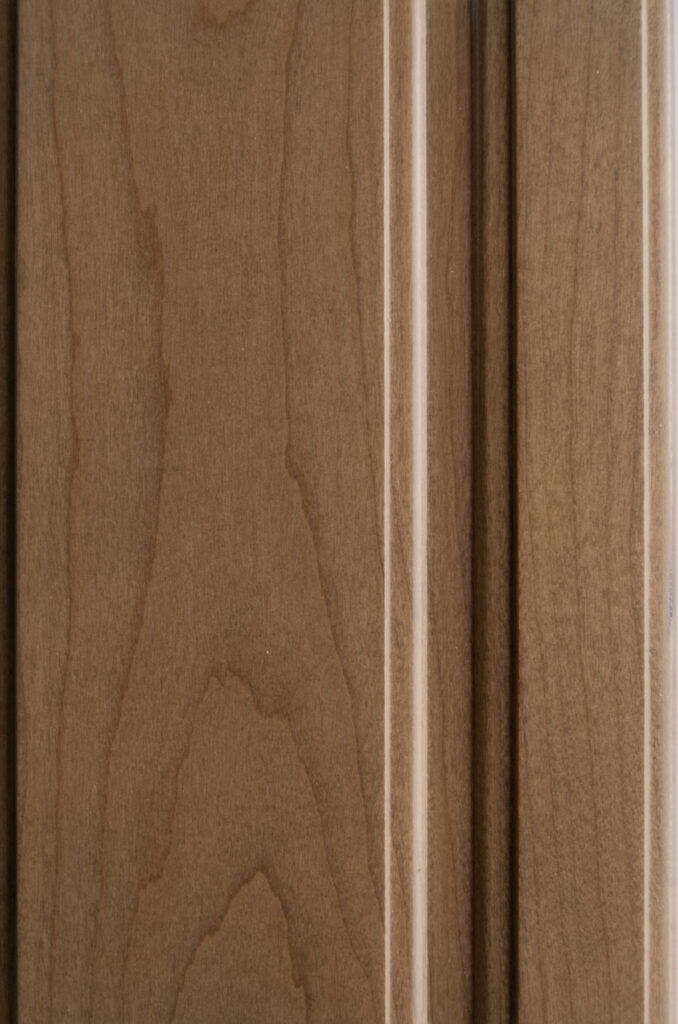
Cherry
A classic hardwood with a warm reddish tone that deepens over time. It suits traditional and some transitional spaces. It’s less on-trend right now, but still a strong choice for clients who love a warm, classic look. Choose cherry when the style is intentionally traditional.
Your Budget and Custom Cabinets
Here’s something that surprises a lot of people: custom doesn’t mean one fixed price for a cabinet. Material is just one lever. Construction, door style, drawer boxes, finish, and integrated lighting all move the number too.
Here’s how to get the most of your budget and still achieve a custom, elevated look for your cabinets.
- Put more budget where it shows. Spend on the island or feature cabinets people actually look at, then keep the rest simpler. Mixing materials and door styles can create a unique layered look that is budget conscious.
- Choose custom elements wisely. Upgrades like dovetail drawer boxes, integrated lighting, and specialty modifications add up. Pick the ones that matter for how the space gets used, and skip the ones that don’t.
- Choose materials that are budget-friendly. For example, alder can give you a strong look for less, which leaves room in the budget for the upgrades you do want.
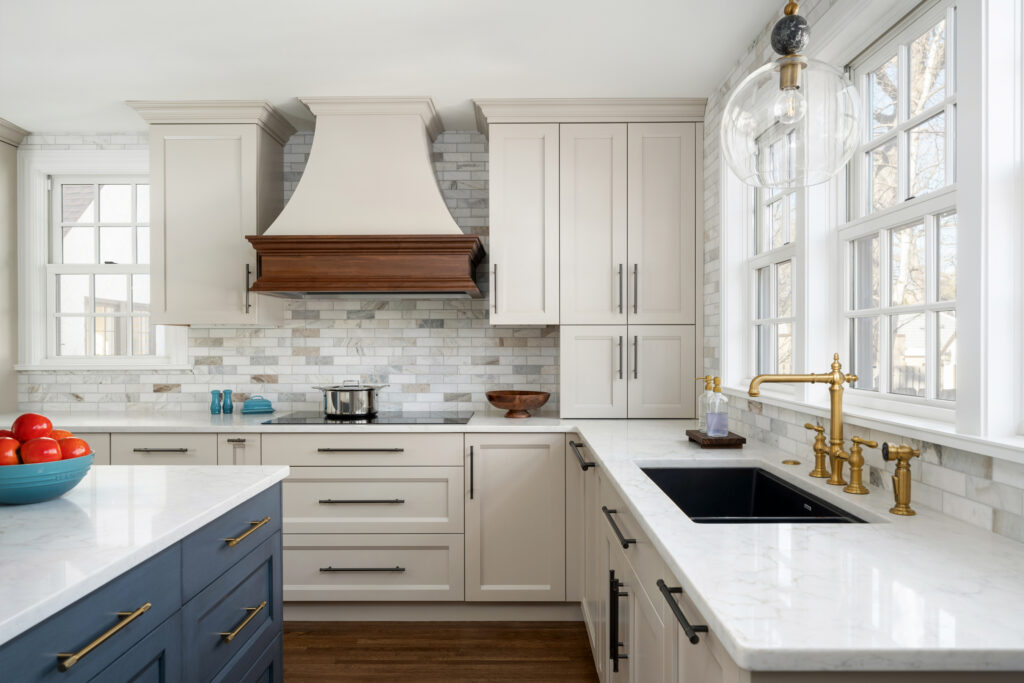
There are many "right" materials for custom cabinets.
In all honesty, we can’t give a one size fits all answer for what is the best material for custom work for budget, style, and durability. Each of those variables is different for each person and project.
These are the kind of questions our network of kitchen designers help clients work through every day, with consideration to many other design details that require consultation to figure out.
We hope this post serves as a starting point for your decision making, and encourage you to reach out to a designer to choose the best material for your home.