If you live in a coastal and humid climate, you’ve probably seen and felt the impact of the conditions on your home. Wood fixtures like drawers, doors and cabinets are particularly susceptible to high or fluctuating moisture levels each season brings. In these areas, your cabinets should be durable enough to withstand the high humidity levels while adhering to your aesthetic. The right materials ensure they remain in good condition year-round.
Why Humidity Is Your Cabinets’ Enemy
Cabinets are most often made from wood, which is particularly sensitive to humidity. Both wood and wood-based products are hygroscopic, meaning they easily absorb moisture. Humidity level variation causes the wood to shrink or swell, which impacts its dimensions, resistance to decay, and the glue, paint and finish. High humidity levels and even slight changes can lead to warped cabinets, bubbling and peeling paint, sticking drawers and cracked frames.
Beyond aesthetic and functional failures, high humidity and trapped moisture create the optimal conditions for mold and mildew growth. Ideally, homes should maintain humidity levels between 30% and 50% to ensure your space is healthy and comfortable without being too dry or too sticky.
Best Material Choices for High-Humidity Zones
When living in climates where humidity levels soar, your best line of defense is to select cabinet materials that withstand the conditions. The following are some of your best options.
Marine-Grade Plywood
Marine-grade plywood is the prime choice for coastal and humid climates as an engineered wood panel manufactured to withstand moisture. It’s bonded with waterproof glue, making it more durable and long-lasting than regular plywood, especially in more humid climates. The panels are typically made of tropical and water-resistant woods like teak and feature highly waterproof veneer and coating. The panels are also more resistant to mold and pests due to their strong bonds and seals.
Solid Hardwoods With Natural Resistance
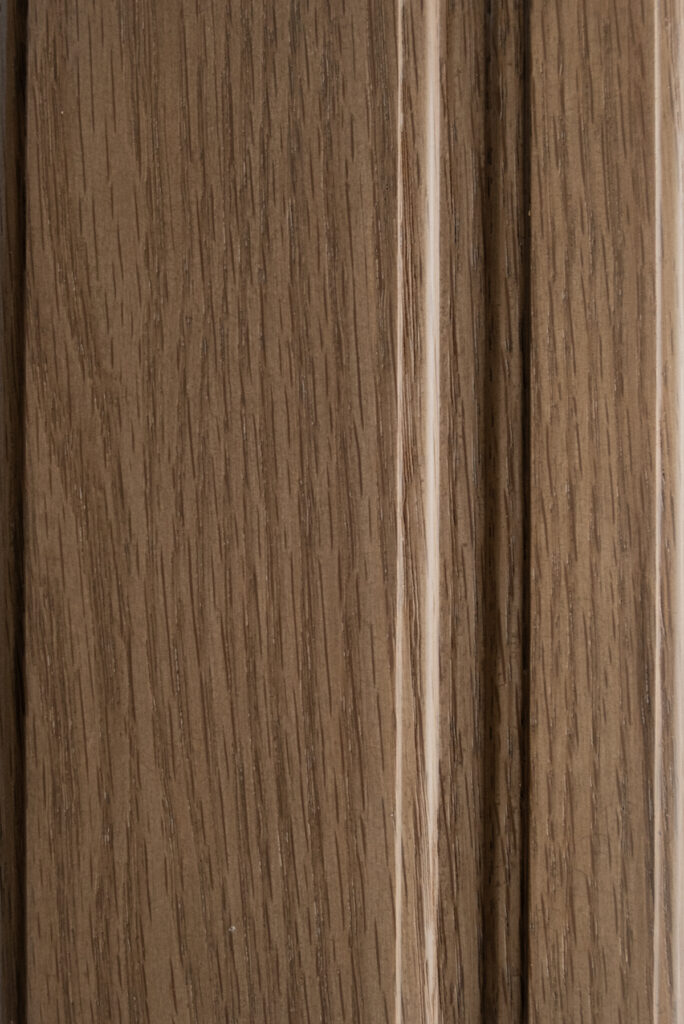
Though wood is reactive to moisture, some types are more resistant than others. Natural oils and less porous structures make woods like teak more naturally resistant to humidity, designating them as a more premium material for cabinets. Examples include:
While these options are among the more durable varieties of wood, your cabinets will still require maintenance and upkeep to prevent warping and paint bubbling. That’s due to the lumber’s natural hygroscopic properties. Apply oil-based sealants and reapply every few years to keep the wood in prime condition.
Non-Wood and Composite Alternatives
If you prefer a more modern approach, consider some wood alternatives or composite materials that can still make your home look sleek without worrying about the trapped moisture.
- Stainless steel: This highly durable, waterproof material will not warp, rot or rust in extreme humidity. Easy to clean and maintain, these cabinets also contribute to a modern design aesthetic.
- High-density fiberboard (HDF): This engineered product is made by compressing wood under extreme heat and pressure. The dense, durable material is ideal for high-wear zones and does not expand or contract with heat.
- Thermally fused laminate (TFL): Made by fusing resin to a decorative board, this material is a strong choice for decorative cabinets. The surface is nonporous, making it a strong choice for moisture resistance.
Risky Materials to Avoid
When selecting the best material for your coastal cabinets, there may be many tempting options that look great at a lower price. Be cautious with plywood options, especially those treated with moisture-repellent finishes or waterproof glue.
While HDF and TFL may have similar makeup, materials such as low- or medium-density fiberboard and untreated particleboard are other options to avoid in humid climates. They are porous and highly absorptive. Even with a protective finish, these products expand and degrade when exposed to moisture.
Tips to Keep the Humidity Under Control
Though the climate outside may be out of your hands, there are a few ways you can monitor and maintain a comfortable and cabinet-friendly environment.
Hygrometers and Dehumidifiers
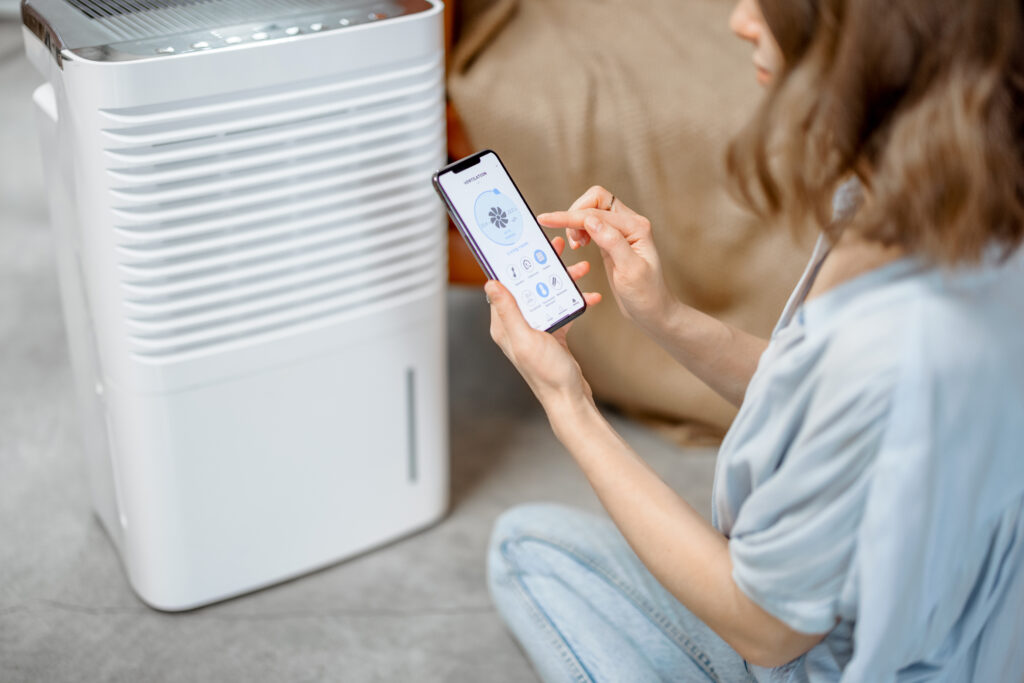
You can invest in a hygrometer, or a tool that measures humidity levels. Keep one in the kitchen and a few in bathrooms or other areas with susceptible cabinets to monitor levels throughout the house and track areas that may need more attention. If you notice levels are too high, you can use a dehumidifier to keep the space in the ideal Goldilocks zone. Portable dehumidifiers for small spaces or larger, more integral models for a more permanent solution work well for highly humid environments.
Smart System Controls
Whole-home HVAC systems play an integral role in keeping your home’s conditions in check. Some high-tech options, like smart thermostats, come with internal hygrometer readers and can even automate activations based on your preferred comfort settings without you lifting a finger.
Proper Ventilation
Airflow is critical for maintaining ideal humidity levels in your home, especially in kitchens and bathrooms where moisture levels are typically highest. Ensure that you have working fans and venting hoods to wick moisture out.
Kitchen vent or range hoods are essential for keeping out air pollutants, including moisture, from your space. Ideally, these should vent outside. Run the hood vent while cooking on stovetops, especially when boiling water or steaming vegetables, and keep it running for at least 15 minutes afterward to maintain low moisture levels. Additionally, you should always use the bathroom fan during and after showers or baths.
Upgrades Throughout the Kitchen
To maintain an optimized, anti-humidity home, consider upgrading other areas to keep humidity low and your cabinets fresher longer. Some ideas include:
- Tile backsplash: Beyond aesthetics, the backsplash serves as a critical moisture barrier. Use water-resistant materials such as glass or ceramic tile to minimize buildup.
- Open shelving: To improve airflow, consider open cabinets and shelves to display nicer dishware or spices.
- Moisture-absorbing plants: Orchids and ferns are particularly good at absorbing moisture and can add a touch of beauty and greenery to your space.
Smart Design Choices Help Cabinets Breathe Easy
Choosing the right material for your cabinets in high-humidity areas requires careful planning and research. Select cabinets that are made to withstand these conditions and be intentional with maintenance to ensure they remain pristine for years to come.